Serving Rogers, Bentonville, Springdale, Fayetteville, Lowell, Cave Springs, Centerton, Pea Ridge, Bella Vista, and nearby communities within about 25 miles.
A Retaining Wall Can Solve More Than a Slope Problem
Some yards are difficult to use because of elevation changes, erosion, awkward slopes, or areas that never feel finished. A retaining wall can help manage those issues while also adding structure and definition to the property.
For many homeowners, the question is not always obvious. Does the yard need a retaining wall? A planter wall? Better drainage? A patio adjustment? A full backyard plan? Understanding the signs can help you decide what kind of solution may be needed.
What a Retaining Wall Actually Does
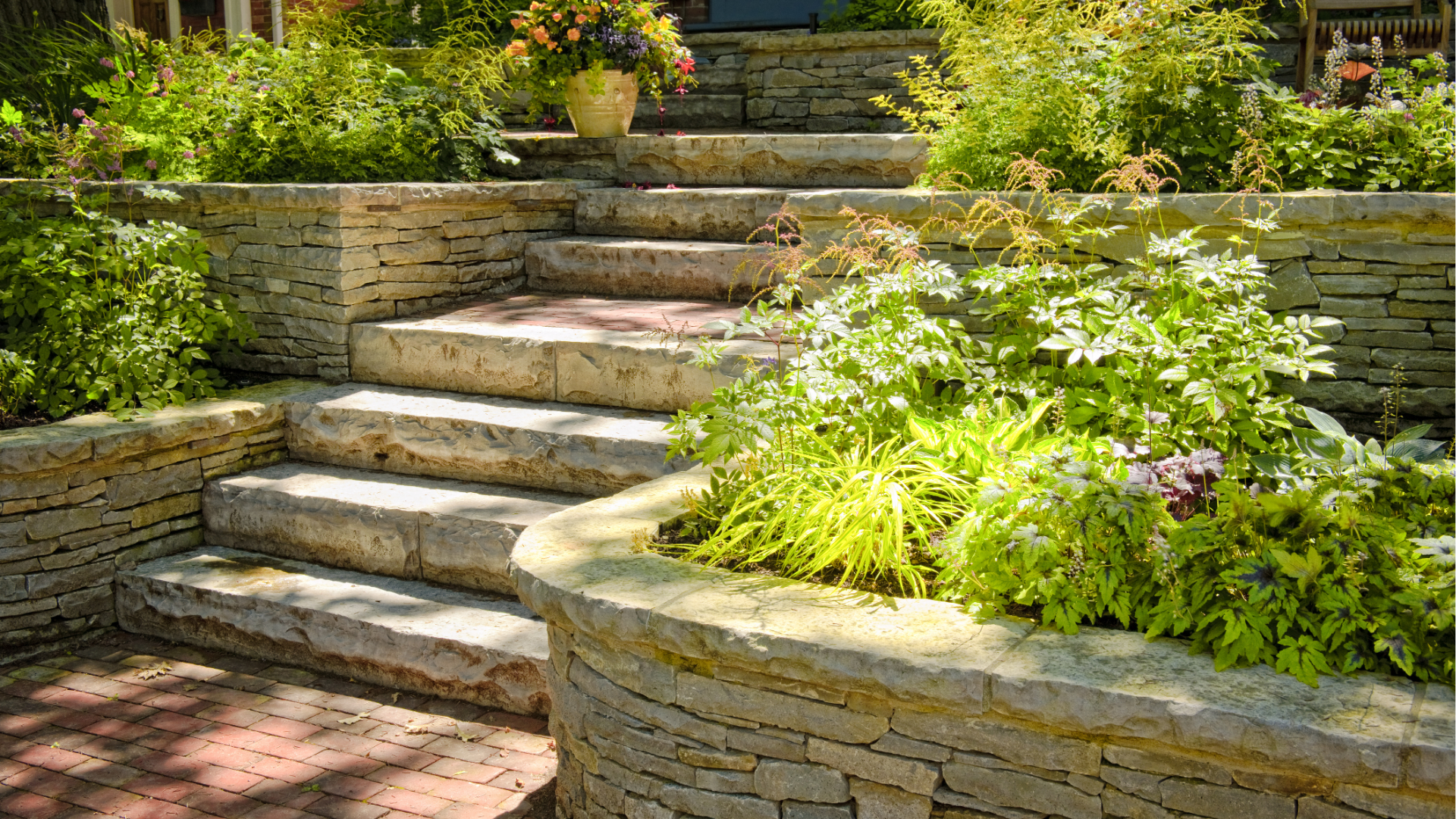
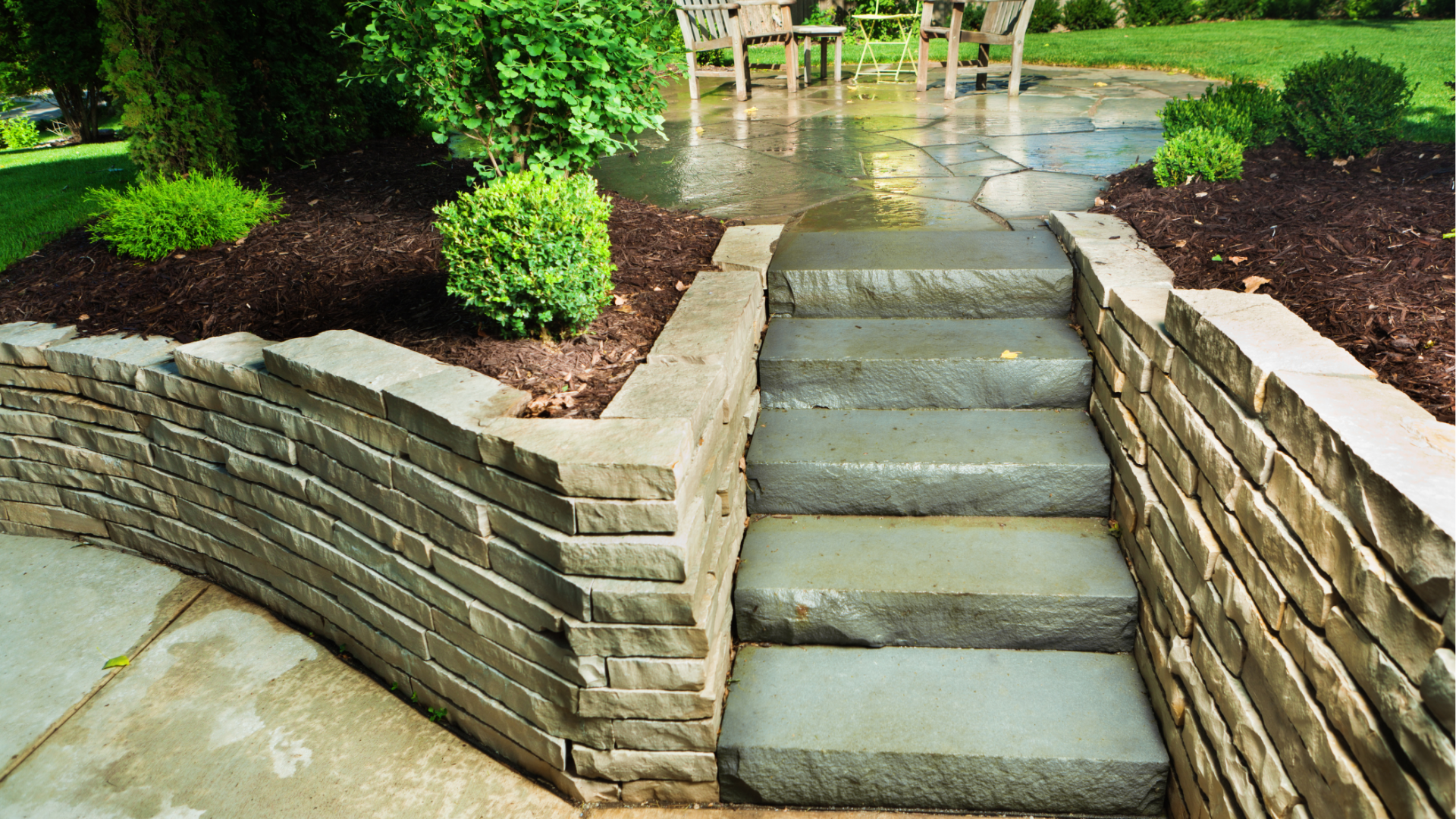
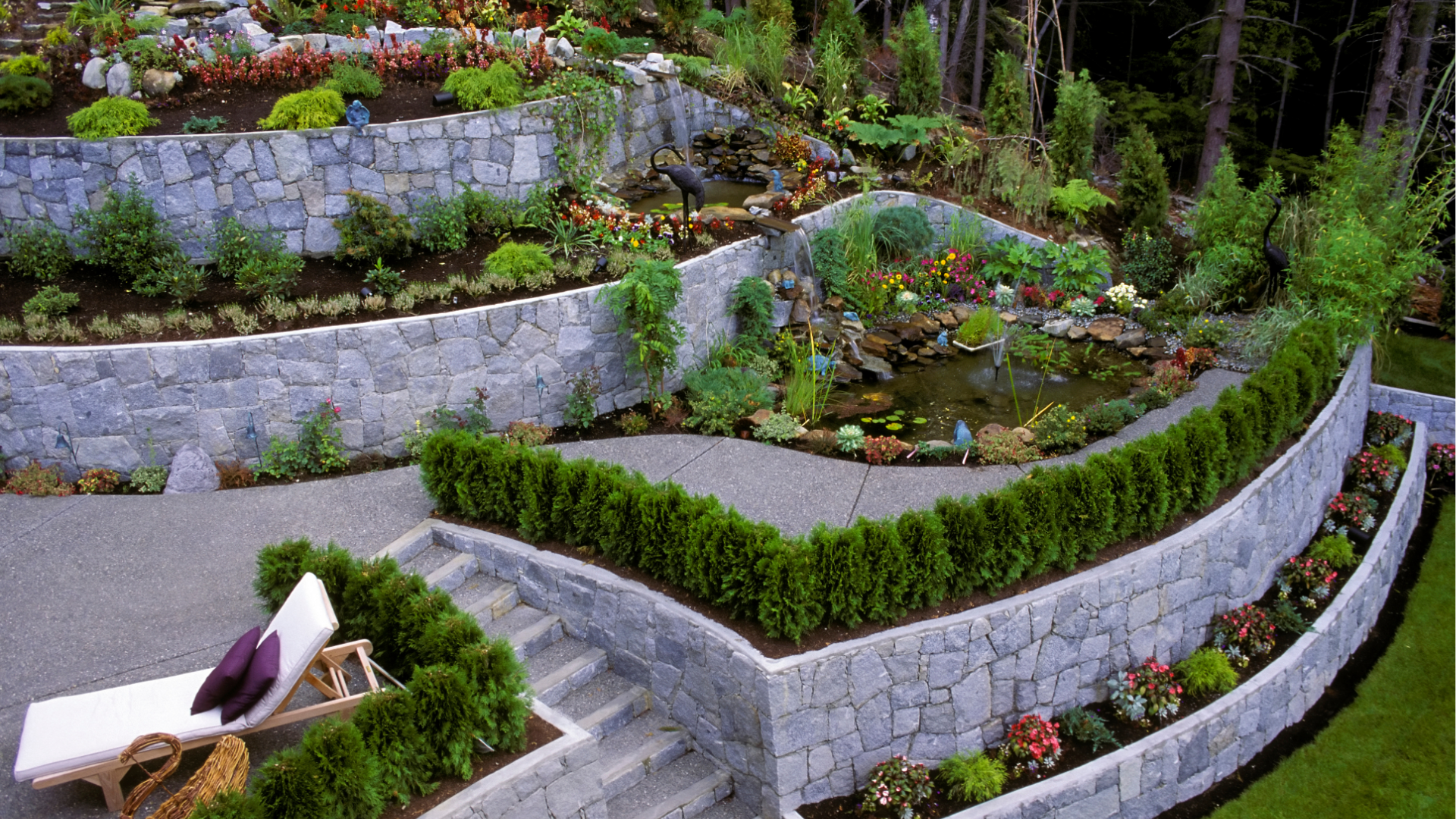
A retaining wall is used to hold back or shape soil where the grade changes. It can help create flatter areas, support planting zones, define spaces, control slopes, and make parts of the property more usable.
Retaining walls can be built from several materials, including block, boulder, timber, or other wall systems depending on the project. The right choice depends on the property, the height, the purpose, the look, and how the wall connects to the rest of the yard.
Ignoring Slope and Soil Movement Can Limit the Whole Yard
A sloped or unstable area can affect more than appearance. It may make furniture placement difficult, cause mulch or soil to wash out, make mowing harder, limit patio placement, or create awkward transitions between outdoor areas.
When the grade is not addressed, other improvements may not work as well. A new patio, walkway, fire area, or landscape bed may still feel incomplete if the surrounding elevation is working against the space.
Common Signs a Retaining Wall May Help
A retaining wall may be worth considering if you notice:
Not every slope needs a large wall, but elevation issues should be considered before finishing the rest of the space.
Retaining Walls Can Create More Usable Space
One of the biggest benefits of a retaining wall is that it can help turn difficult ground into usable space. A wall may create room for a patio, seating area, garden bed, fire feature, walkway, or more level section of the yard.
This is especially helpful when the backyard has potential but the grade prevents people from using it comfortably. A wall can add structure and make the rest of the project easier to plan.
The right wall depends on the property conditions, desired appearance, and how the wall will connect to other outdoor features.
Drainage and Layout Should Be Part of the Conversation
Retaining walls should not be planned only by appearance. Drainage, water movement, soil conditions, access, nearby patios, and the surrounding yard all matter.
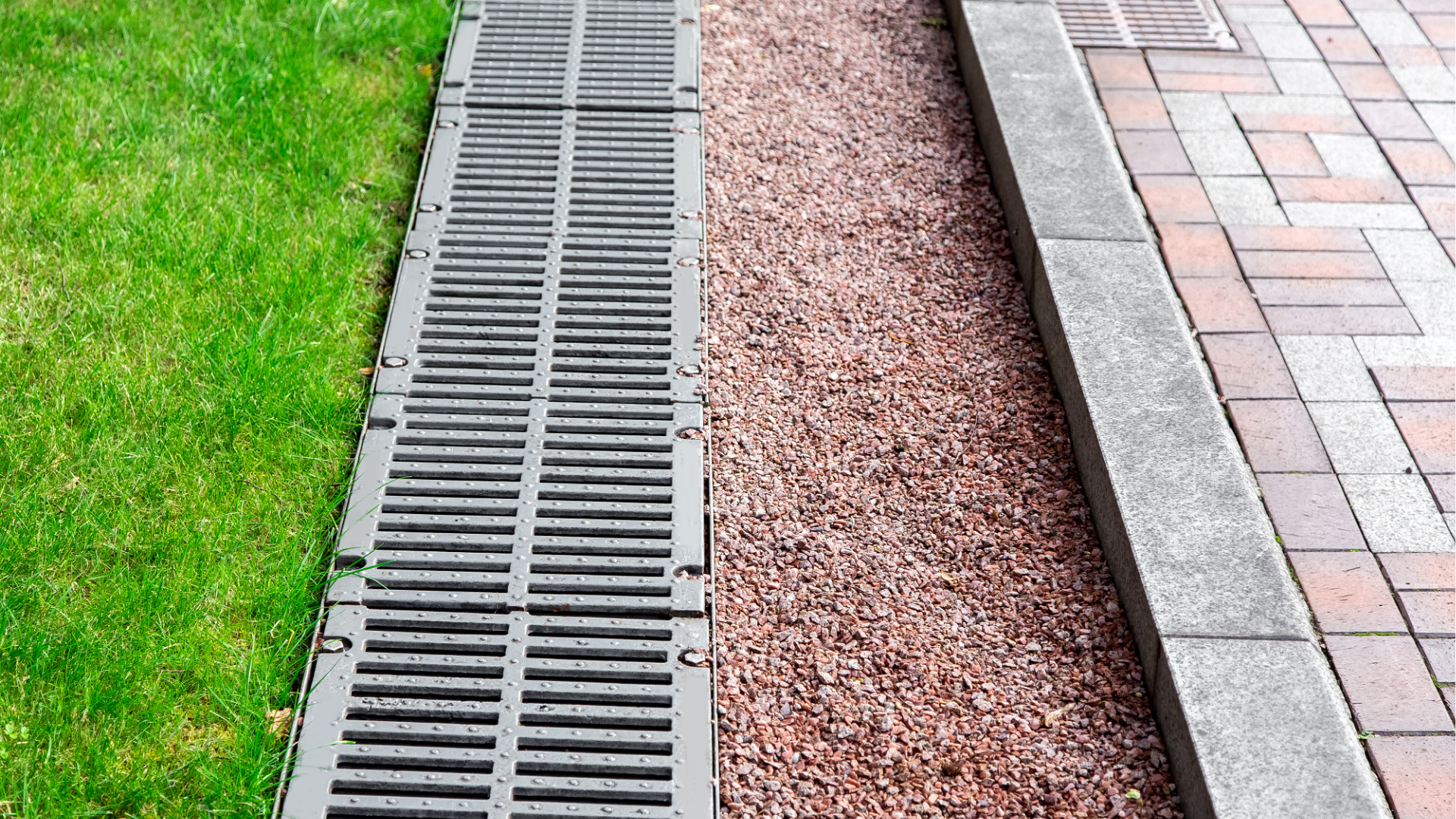
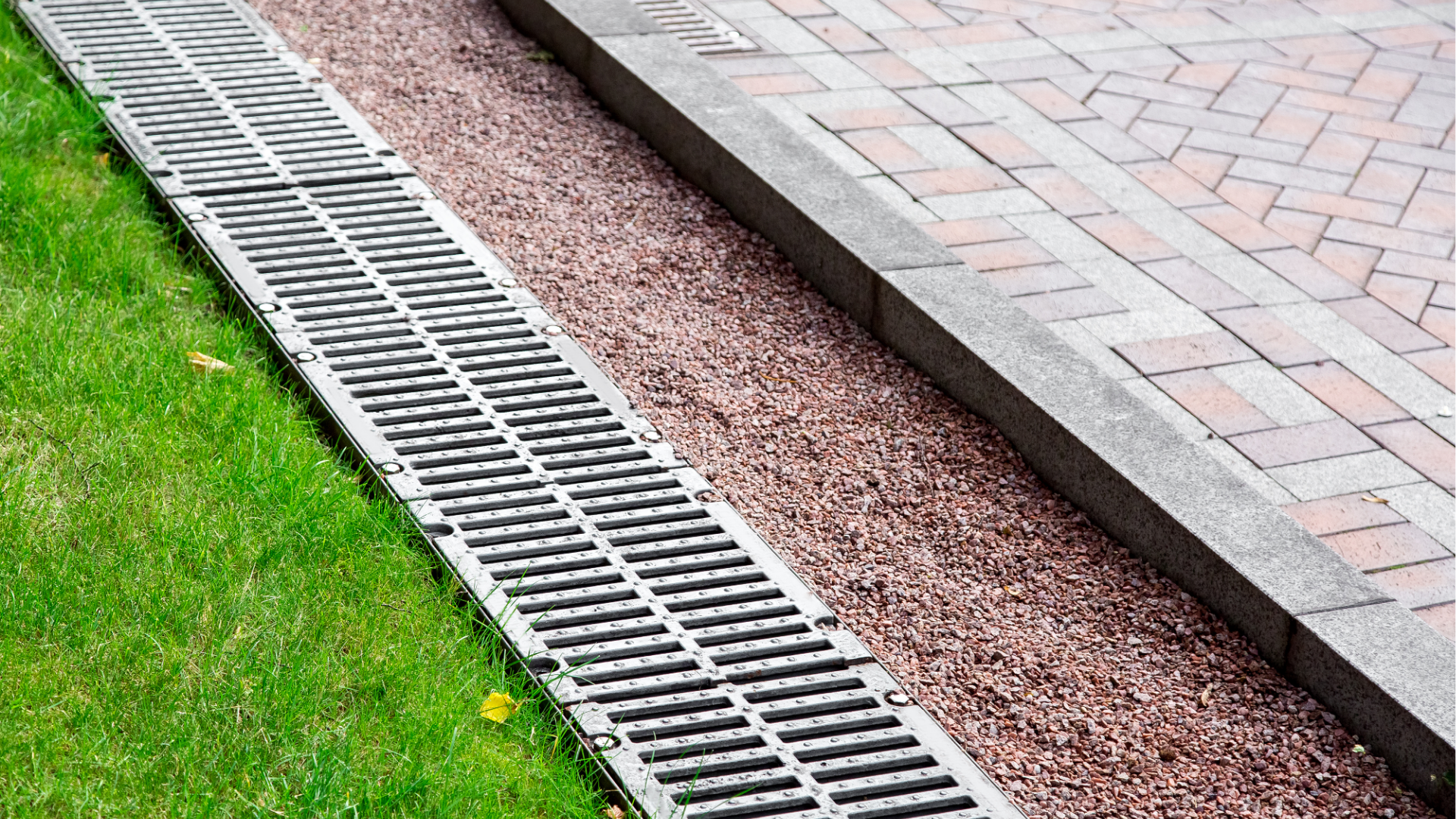
If water is already causing washout, erosion, or soft areas, the wall may need to be considered alongside drainage support or other property improvements. The goal is to create a solution that supports the yard, not just a wall that looks good on day one.
If part of your yard feels difficult to use, a retaining wall may be one part of the solution. A clear project conversation can help determine what makes sense for the property.